Bhuvi vs Hasan: Fast Bowling Face-Off
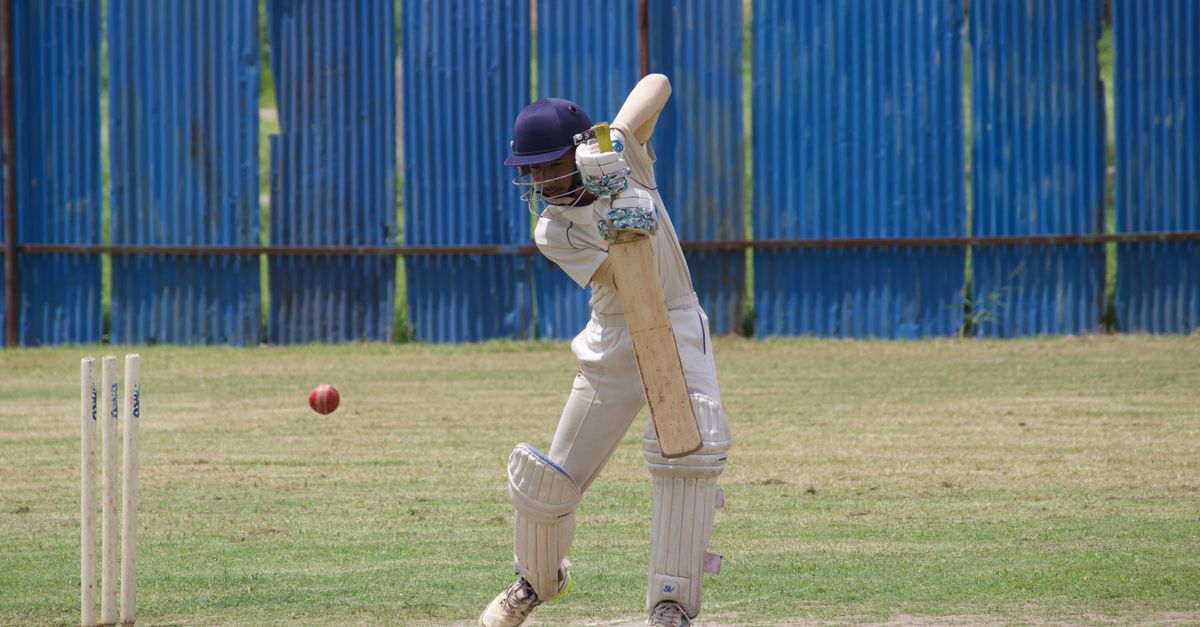
When Bhuvneshwar Kumar and Hasan Ali line up on opposite ends in a Pak vs Ind match, it’s more than just two fast bowlers trading blows — it’s a clash of craft, contrast, and quiet intensity. Neither relies on raw pace alone; both thrive on swing, seam, and smart variations. The pak vs ind player duel bhuvi vs hasan has unfolded across T20Is, ODIs, and high-stakes bilateral series — never headline-grabbing like Kohli vs Babar, but consistently gripping for connoisseurs of pace bowling. This isn’t about who’s ‘better’ — it’s about how two very different minds wield the same red cherry.
Origins & Bowling DNA
Bhuvneshwar Kumar emerged from Meerut — a small-town cricketer who mastered reverse swing before most Indian pacers even tried it. His action is compact, repeatable, and deceptively economical. He doesn’t hunt wickets with brute force; he builds pressure, then strikes with the inswinger or a well-disguised slower ball. Hasan Ali, meanwhile, burst onto the scene from Lahore — all fire and fury, with a whippy action and natural outswing that made him an instant ODI weapon in 2017. While Bhuvi’s rhythm feels like a metronome, Hasan’s early career was all about explosive spells — think his 4/36 against India in the 2017 Champions Trophy semi-final. Their paths diverged early: Bhuvi evolved into a T20 specialist with Sunrisers Hyderabad and later Mumbai Indians, while Hasan carried Pakistan’s new-ball hopes through injury setbacks and inconsistent support.
What ties them together? Both rely heavily on the new ball and the old one — rare for modern fast bowlers. That shared adaptability is why the pak vs ind player duel bhuvi vs hasan keeps resurfacing in tight contests.
Head-to-Head Numbers: Less Than You’d Think
Surprisingly, Bhuvi and Hasan have faced each other in only seven international matches — five ODIs and two T20Is — with no Test meetings. In those games, Hasan has bowled to Bhuvi just 18 times (across formats), dismissing him once (caught behind in the 2017 CT). Bhuvi, meanwhile, has bowled 31 deliveries to Hasan — taking his wicket twice (once in the 2019 World Cup group game, once in a 2022 T20I in Multan). The numbers aren’t staggering, but context matters: these weren’t neutral venues or dead rubbers. Each encounter happened under tournament pressure — Champions Trophy, World Cup, Asia Cup qualifiers — where every dot ball or mis-hit carried weight.
The real story isn’t in volume, but in intent. When Bhuvi targets Hasan’s stumps with a back-of-a-length inswinger, or when Hasan swings one away just outside off to Bhuvi’s tentative drive — that’s where you see mutual respect, not rivalry.
Style Contrast: Swing vs Seam, Fire vs Flow
Watch Bhuvi in full flow and you’ll notice how little he looks like a fast bowler — no exaggerated follow-through, no chest-thumping celebrations. His strength lies in subtle changes: a 5km/h slower ball disguised as a yorker, a late nip-backer that catches the inside edge, or a cross-seam cutter that skids low. Hasan, especially in his prime, was all about movement off the pitch: steep bounce, sharp seam deviation, and that trademark outswinger that starts straight before peeling away. His run-up had urgency; Bhuvi’s has precision.
That difference shows up in conditions too. In English seaming tracks, Hasan often outshines — his natural angle and lift trouble even technically sound batsmen. Bhuvi, however, shines in subcontinental heat, where reverse swing and dry cracks give him extra purchase. It’s why their pak vs ind player duel bhuvi vs hasan feels less like a battle of speed and more like a chess match played with leather and willow.
What Their Match-Ups Reveal About Modern Indo-Pak Cricket
Unlike the flashy Kohli-Babar duels or the spin wars between Ashwin and Yasir, Bhuvi vs Hasan represents something quieter but equally vital: the evolution of supporting pace. In a landscape dominated by power-hitters and death-bowling specialists, both men have carved niches as first-change architects — the ones who break partnerships after the powerplay, who strangle runs in the middle overs, who set up finishes rather than steal them. Their consistency — Bhuvi’s economy rate of 6.84 in ODIs since 2016, Hasan’s 4.9 wickets per match in home T20Is — speaks to reliability over flash.
And yet, they’re rarely framed as central figures in the Pak vs Ind narrative. That’s changing. As fans dig deeper into match reports and analytics, the pak vs ind player duel bhuvi vs hasan is gaining traction — not as a headline act, but as the steady pulse beneath the noise.
Frequently asked questions
Has Bhuvi ever taken Hasan Ali’s wicket in an ODI?
Yes — twice. First in the 2019 ICC Cricket World Cup group stage (Chelmsford), and again in a bilateral T20I in Multan in 2022. Both were caught behind off inswinging deliveries.
Who has the better strike rate in head-to-head encounters?
Bhuvi holds the edge: 15.5 balls per wicket vs Hasan’s 22.0 in their direct match-ups. But remember — Hasan has bowled far fewer overs to Bhuvi, and vice versa. Small sample size means caution in drawing firm conclusions.
Did Bhuvi and Hasan play against each other in the IPL?
No — they’ve never shared an IPL field. Bhuvi spent most of his IPL years with SRH and MI, while Hasan played briefly for KKR (2018) and RCB (2022), but their paths never crossed in the league.
Why isn’t this duel talked about more in mainstream coverage?
It lacks the star wattage of top-order batting rivalries — and neither is a current captain or marquee franchise icon. But among analysts and seasoned fans, the pak vs ind player duel bhuvi vs hasan is quietly revered for its technical nuance and competitive integrity.